The Great Eastern Highway and Roe Highway junctions around Midland see more than their share of collisions. Most are not serious. All of them leave someone standing on a verge trying to work out what happens next while their hands shake slightly.
This is the sequence, written down calmly, so you have read it once before the day you need it.
1. People first, always
Check everyone in your car and, if it is safe to do so, the other car. If anyone is hurt, or a vehicle is blocking a live traffic lane, or there is fuel on the road, ring 000 before anyone else. A tow can wait ten minutes. Nothing else on this list matters until that question is answered.
In Western Australia you also need to report a crash to police in certain circumstances — including where someone is injured, or where a driver does not stop and exchange details. If you are unsure, report it. It costs nothing and its absence causes problems later.
2. Get out of the traffic if you can
If the cars are driveable and nobody is hurt, moving them off a running lane onto a verge or side street is usually the right call. Photograph the positions first if you can do it safely — but not while standing in a live lane on Great Eastern Highway. A photograph is not worth what that risks.
3. Photograph before anything moves further
- Wide shots showing both cars and the road, from a few angles.
- Close shots of the damage on both vehicles.
- Both number plates, clearly readable.
- Any skid marks, debris, signage, traffic signals or line markings that show what happened.
- The other driver's licence and insurance details — a photo beats writing it down badly.
4. Then the tow
If the car is not safe to drive, it needs to be moved. “Not safe to drive” covers more than it sounds like:
- Fluid on the road under the car — coolant, oil, fuel or brake fluid.
- Any wheel sitting at an angle it should not be. That is steering or suspension damage and it is not a drive-home situation.
- Damage over or into a tyre, or bodywork touching a tyre.
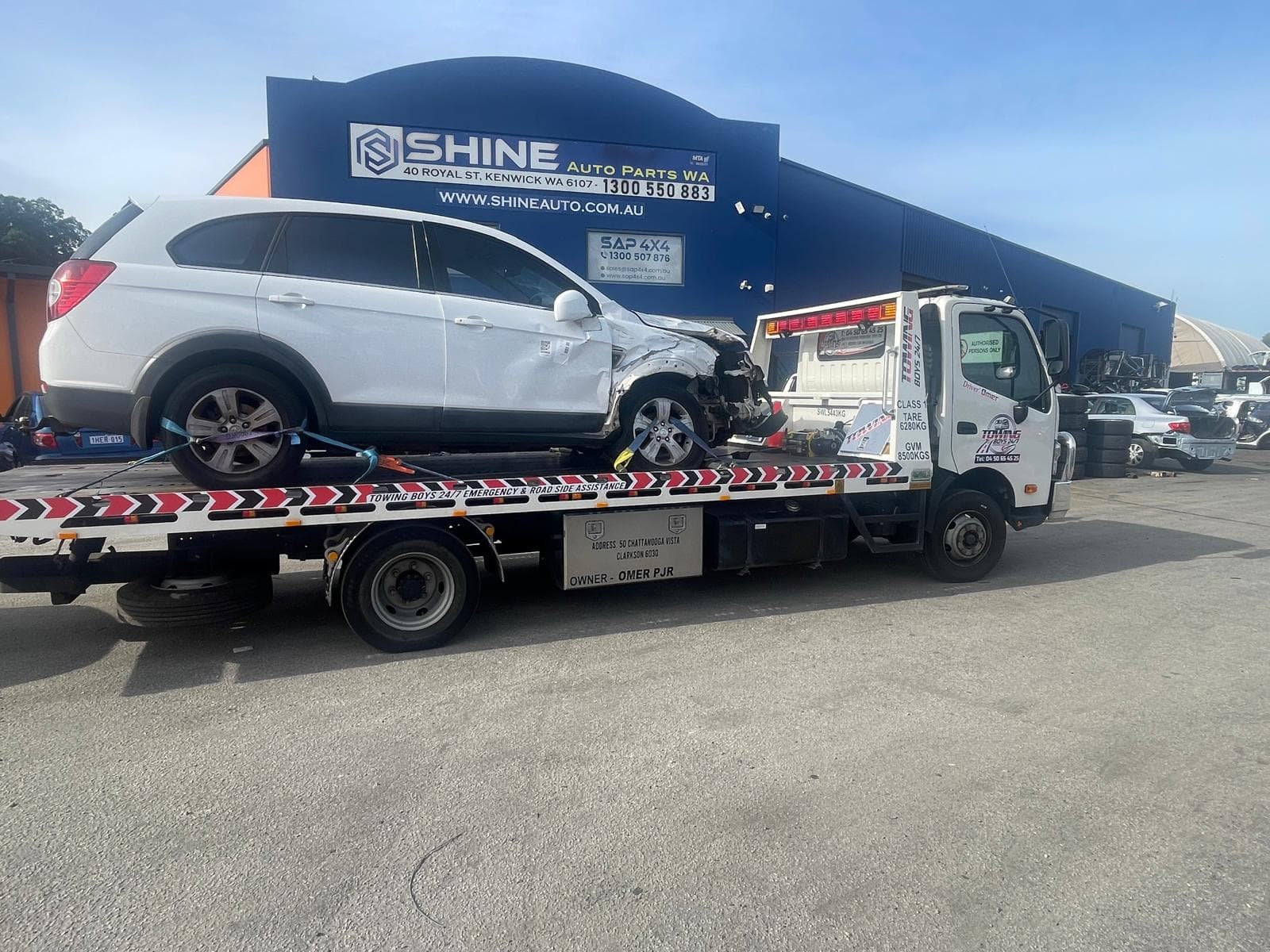
- Airbags deployed. The car will very often be mechanically driveable and it should still go on a truck.
- Lights, indicators or a windscreen that mean the car is not roadworthy even if it moves.
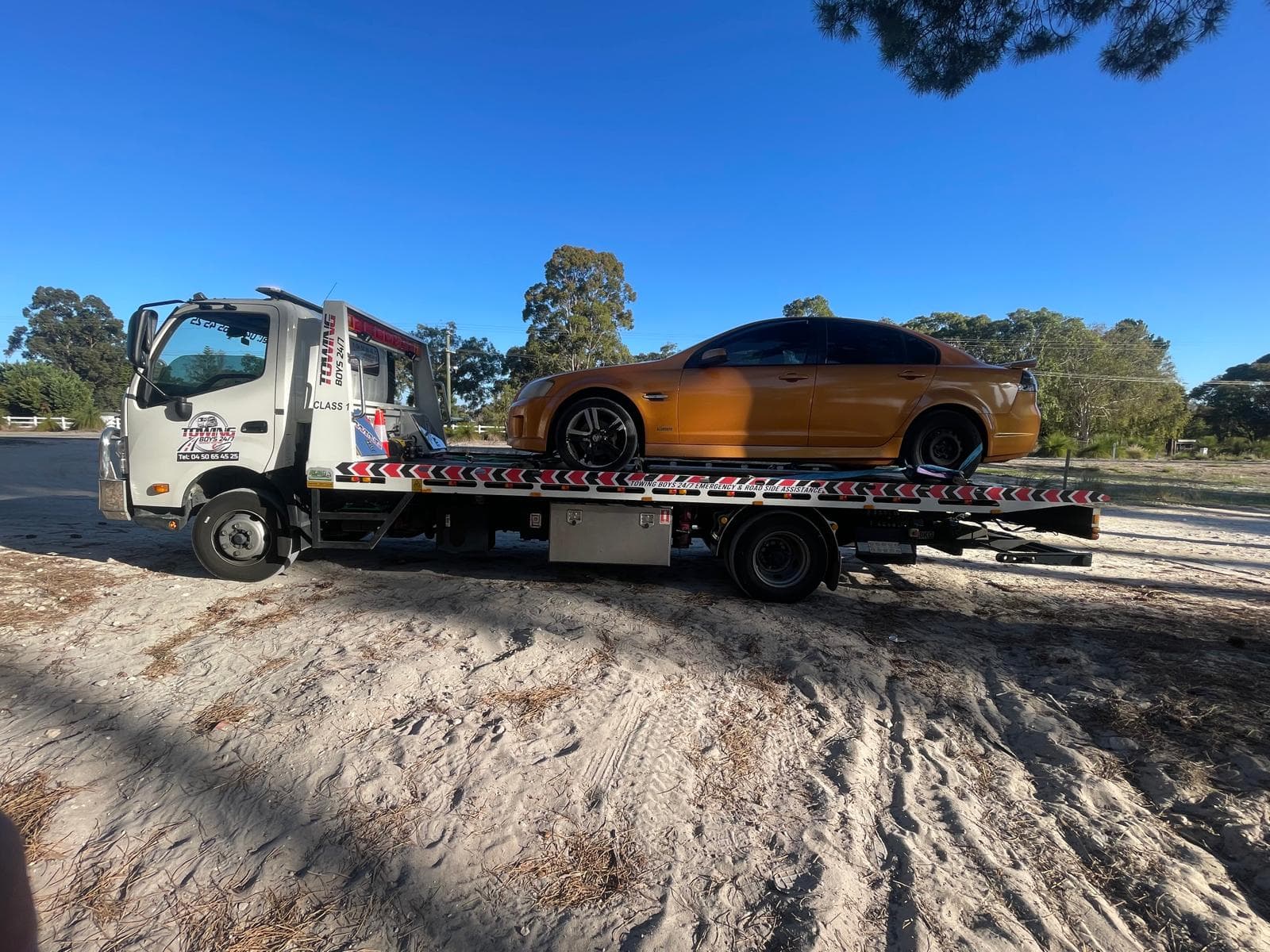
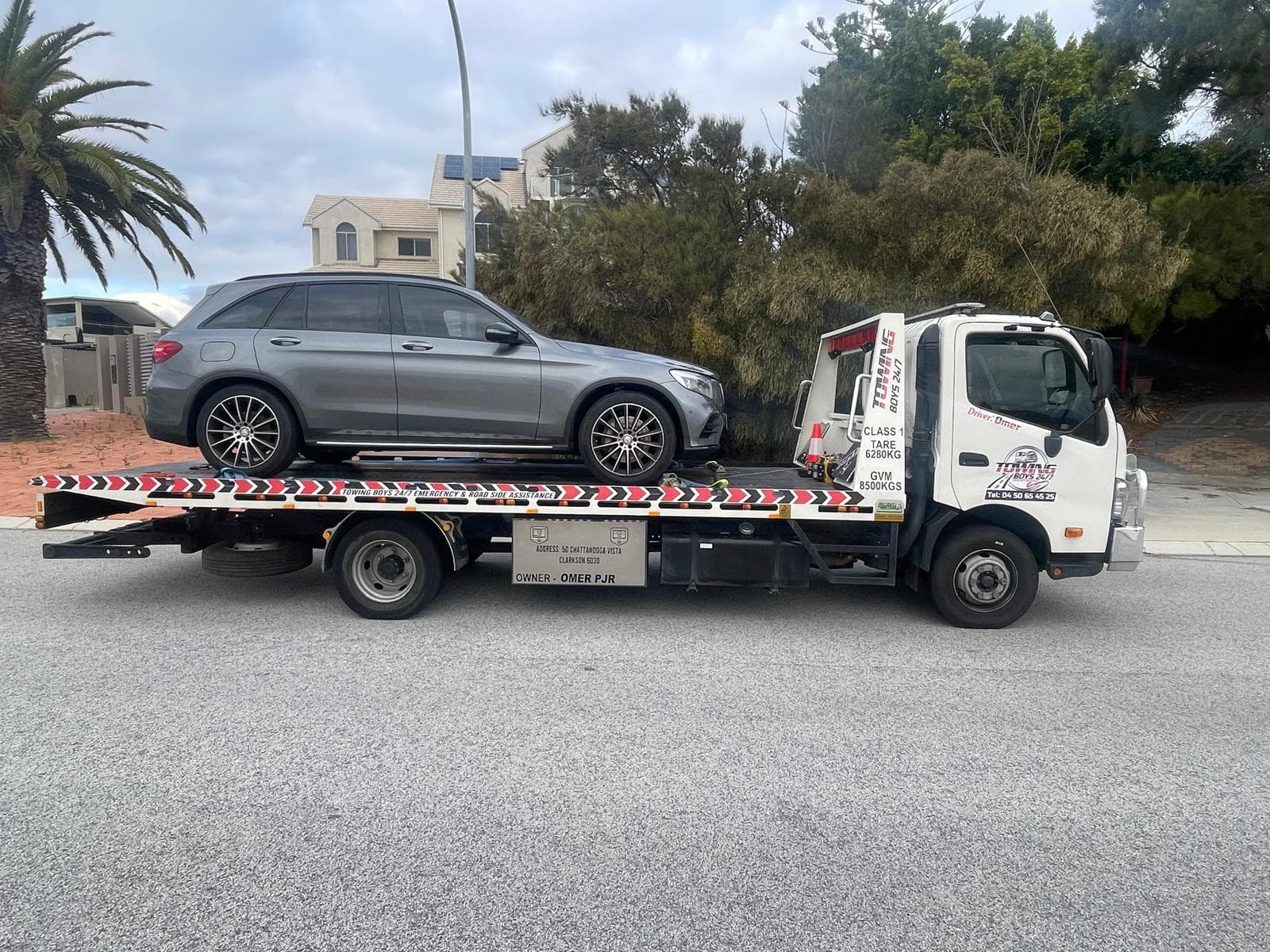
A crash-damaged car goes on a flatbed rather than being lifted by one end, because we do not yet know what is bent underneath it. That is what crash towing covers.
5. You choose where it goes. Not anyone else.
This is the part worth knowing before you are standing there. As the owner you decide where your vehicle is taken. You are not obliged to accept a repairer suggested at the scene, and you do not have to decide immediately.
The realistic options:
- 1Straight to a smash repairer, if you already know which one and they can receive it. Most insurers have a process and some will nominate a repairer — a quick call to your insurer first can save a second move.
- 2Home, if you have somewhere safe and off-street to put it while you sort out the claim.
- 3Held securely while the claim is assessed, if home is not an option.
If you have not spoken to your insurer yet and cannot get through, home or secure holding is almost always the better choice than guessing at a repairer. Moving a car twice is the avoidable cost here.
6. What to take out of the car
- Registration and any paperwork in the glovebox.
- Toll tags, dash cameras and SD cards — the footage matters and the camera is easy to forget.
- Child seats, if the car is going to a repairer. You will need them tomorrow.
- Garage remotes, house keys, sunglasses, anything in the console.
- Anything in the boot. Especially anything you would notice missing in a week.
Midland and the Swan Valley, specifically
The highway junctions around Midland are the busy ones, but the Swan Valley roads produce a different kind of job — single-vehicle incidents on rural-feeling roads with soft verges and drainage ditches beside them. A car off the road into a ditch is a recovery before it is a tow, and it takes longer than a kerbside job.
Either way, the same principle applies: people first, photographs second, then the truck. The Midland page has the local coverage, and vehicle recovery covers the off-road side of it.
Need a truck now?
Open 24 hours a day, 7 days a week. If we miss your call, we'll call you back within 30 minutes.
Questions we get asked about this
Who decides where my car is towed after a crash?
You do. As the owner you choose the destination — a smash repairer, your home, or secure holding while the claim is sorted. You are not obliged to accept a repairer suggested to you at the scene.
Can you tow my car straight to a smash repairer for an insurance claim?
Yes. Give us the address once you have it from your insurer, or we can take the vehicle somewhere safe while that gets confirmed so it is not sitting on the road in the meantime.
My car still drives after the crash. Do I need a tow?
If there is fluid on the road, a wheel sitting at an odd angle, damage touching a tyre, or the airbags have gone off, it should go on a truck regardless of whether it moves. Crash damage is often structural in ways that are not visible from outside.